
For years, Real Madrid built their dominance through blockbuster signings, global superstars, and transfer windows capable of reshaping world football overnight.
When problems appeared, Madrid usually solved them with elite spending power.
But football is changing.
Transfer fees continue rising uncontrollably, Financial Fair Play regulations create growing pressure, and even Europe’s richest clubs now understand that endlessly buying solutions is no longer sustainable.
That is why Real Madrid’s approach to the summer of 2026 feels so fascinating.
Because instead of launching another massive spending spree, the Spanish giants appear ready to rebuild almost half their squad through a completely different strategy:
trusting their academy again.
And with nearly ten first-team players facing uncertain futures, this may become one of the most important transitional summers in modern Madrid history.
A Squad Entering a Dangerous Transition
At first glance, Real Madrid still look filled with elite talent.
But internally, the situation is far more unstable than many supporters realize.
The club are preparing for a summer that could completely reshape the structure of the dressing room.
Several departures already appear inevitable.

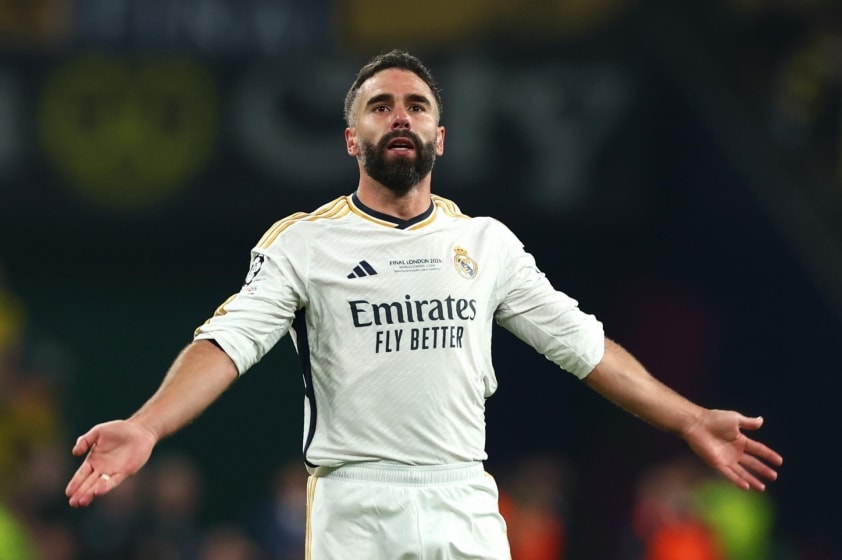
Dani Carvajal and David Alaba are both expected to leave once their contracts expire. Their exits alone would remove enormous experience and leadership from the squad.
Meanwhile, uncertainty surrounds multiple other important players.
Antonio Rüdiger has still not agreed to a new contract.
Dani Ceballos reportedly looks increasingly likely to move on.
Gonzalo García has fallen out of the club’s sporting plans entirely.
Raúl Asencio has reportedly been placed on the market.
And the futures of Franco Mastantuono and Fran García remain unresolved.
The uncertainty does not stop there.
Injuries continue creating concern around Éder Militão, Ferland Mendy, and Rodrygo after difficult physical setbacks.
Even Eduardo Camavinga — considered one of Madrid’s most important long-term talents — is reportedly viewed internally as a possible major sale if the right offer arrives.
When all those situations are combined, Madrid are effectively confronting uncertainty across almost half the squad.
That reality explains why the club are now reconsidering their entire rebuilding model.
The €23 Million Revolution
Rather than solving every problem through enormous transfers, Real Madrid believe they may already possess multiple answers internally.
And remarkably, the solution could cost just €23 million.
According to reports from Spain, the club see Nico Paz, Jacobo Ramón, and Víctor Muñoz as players capable of strengthening three different areas of the team immediately.
All three developed through Madrid’s academy system.
All three are now reaching maturity.
And all three may suddenly become critical parts of the first-team project.
Nico Paz and Jacobo Ramón recently helped Como 1907 qualify for the Champions League, dramatically increasing their reputation across Europe.
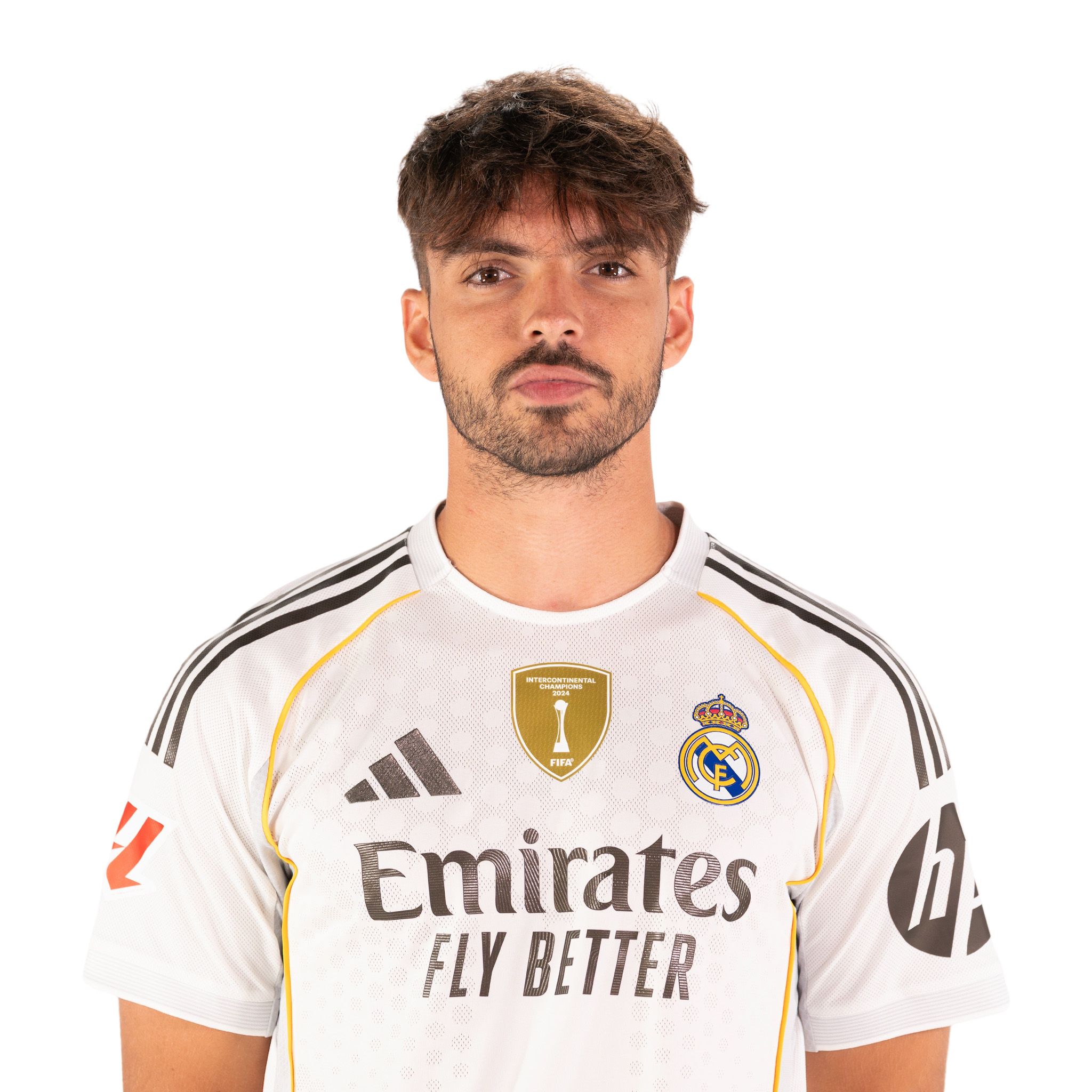
Meanwhile, Víctor Muñoz has emerged as one of the brightest revelations in La Liga, earning national-team recognition and preparing for the 2026 FIFA World Cup.
Most importantly for Madrid, these players already understand the club’s culture and tactical demands.
That dramatically reduces adaptation risk.
Instead of spending €70–100 million per signing, Madrid could potentially rebuild multiple positions using players they already know and trust.
It is not simply a financial decision.
It is a strategic one.
Florentino Pérez’s New Reality
This shift also reflects a broader evolution inside Real Madrid’s leadership.
Under Florentino Pérez, Madrid became synonymous with the “Galáctico” philosophy: assembling the biggest stars in world football regardless of cost.
But modern football economics are different now.
Even Madrid cannot endlessly dominate every transfer battle financially, especially with Manchester City, Paris Saint-Germain, and Saudi-backed projects inflating the market further every year.
As a result, Madrid increasingly prioritize sustainability and timing.
Rather than rushing into desperate spending, the club appear willing to bridge transitional periods through academy talent while waiting for ideal superstar opportunities later.
This strategy allows them to remain competitive without losing long-term financial flexibility.
And right now, that flexibility may matter more than ever.
The Rodri Dream Still Exists
Interestingly, Madrid’s academy-based rebuild does not mean they have abandoned interest in global stars entirely.
Reports suggest Chema Andrés remains part of the long-term project, but the club still dream of eventually signing Rodri from Manchester City.
That possibility explains part of Madrid’s caution.
Instead of overspending now on secondary targets, they may prefer preserving financial power for transformative signings later.
Essentially, Madrid are trying to balance two timelines simultaneously:
surviving the immediate transition while keeping space available for future superstars.
It is a delicate strategy — but one that could define the next decade of the club.
Defensive Problems Are Forcing Creativity
Defensively, Madrid’s situation appears particularly unstable.
Injuries, aging players, and uncertain contracts have created serious depth concerns.
That explains why multiple young defenders are suddenly receiving opportunities internally.
Álvaro Arbeloa reportedly pushed Thiago Pitarch closer to the first-team structure.
Meanwhile, players like Joan Martínez, Valdepeñas, Diego Aguado, and David Jiménez are all being evaluated as internal solutions.
Their development becomes even more important because Madrid are also adjusting structurally around Trent Alexander-Arnold’s expected role on the right side.
The club clearly recognize that simply buying defenders endlessly is no longer efficient.
Instead, they are searching for flexible, lower-cost solutions capable of evolving over time.
Endrick’s Return Could Change the Attack
One of the most exciting developments for Madrid involves Endrick.
After spending time protected and developed at Olympique Lyonnais, the Brazilian returns with growing momentum.
His numbers are encouraging:
15 goal contributions in 20 matches.
Those performances strengthened belief internally that Endrick is finally ready for a genuine first-team role.
And importantly, his emergence could solve another major problem.
With Gonzalo no longer viewed as part of Madrid’s long-term attacking plans, Endrick now appears positioned to fill that space naturally.
His profile also fits the club’s broader evolution toward younger, more explosive attacking football.
In many ways, Endrick symbolizes exactly what Madrid hope this rebuild becomes:
less expensive, more dynamic, and built for the future.
A Summer That Could Define Madrid’s Future
Ultimately, this summer feels less like a normal transfer window and more like the beginning of a structural transformation.
Real Madrid are not merely replacing players.
They are redefining how the club rebuilds itself.
For decades, Madrid’s answer to uncertainty was spending.
Now, the answer increasingly looks like patience, academy development, and strategic timing.
That approach carries obvious risks.
Young players are unpredictable.
Transitions can destabilize elite teams quickly.
And supporters rarely accept rebuilding periods comfortably.
But there is also enormous potential upside.
If Madrid successfully integrate academy graduates while preserving resources for carefully chosen superstar signings later, they could create something far more sustainable than another short-term collection of expensive stars.
The club are essentially attempting to rebuild half the squad without losing competitiveness.
That challenge is enormous.
And over the next few months, the futures of nearly ten players may determine whether Real Madrid enter a new golden era —
or a far more uncertain one.